

Located just beyond the modern dynamism of Ho Chi Minh City, the Cu Chi Tunnels stand as one of Vietnam’s most extraordinary historical landmarks, the vast subterranean network that has become emblematic of strategic ingenuity, resilience, and unconventional warfare.
Far more than a wartime relic, the Cu Chi Tunnels represent a sophisticated military infrastructure developed during decades of conflict, most notably throughout the Vietnam War. Stretching for over 250 kilometers, this underground system functioned as a logistical artery, intelligence base, living quarters, medical station, and defensive fortress for Viet Cong forces engaged in guerrilla warfare against technologically superior opponents.
For military historians, defense analysts, and geopolitical scholars, Cu Chi offers a rare case study in asymmetric warfare. The tunnels exemplify how terrain adaptation, decentralized mobility, and psychological endurance can offset overwhelming conventional military advantages. Concealed beneath seemingly ordinary rural landscapes, the network enabled stealth operations, surprise offensives, and strategic survivability under relentless aerial bombardment.
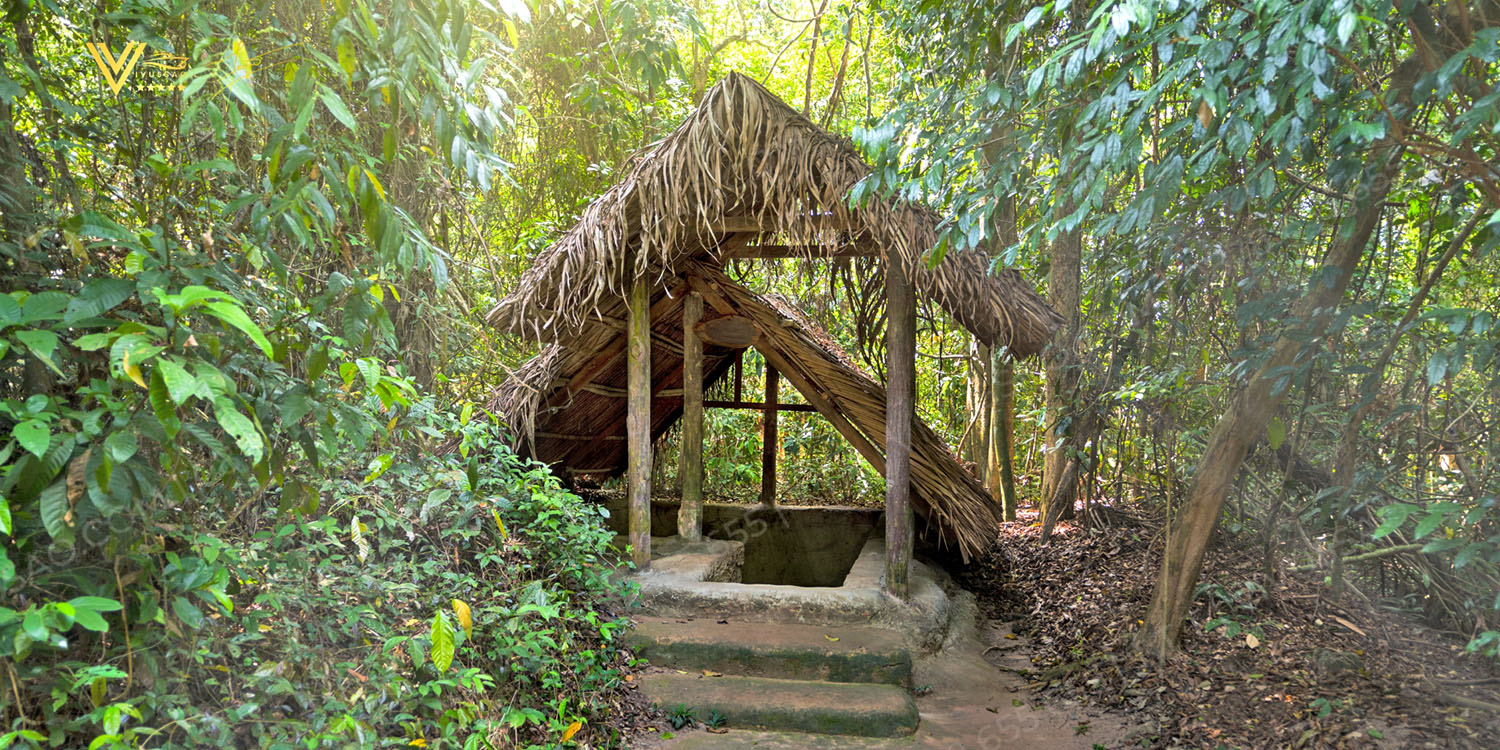
The architectural complexity of the tunnels remains particularly compelling. Engineered with multiple levels, concealed trapdoors, ventilation systems, booby traps, and camouflaged access points, Cu Chi was not merely defensive. It was an ecosystem of resistance. Every structural choice reflected a profound understanding of both geography and enemy tactics.
Today, the site serves not only as a national monument but also as an enduring educational resource for scholars of military strategy, conflict studies, and Southeast Asian history. Visiting Cu Chi is an encounter with the realities of war, the adaptive capacity of human systems under pressure, and the strategic dimensions of local resistance movements.
In the broader discourse of military history, the Cu Chi Tunnels remain a legendary example of how innovation, determination, and environmental mastery shaped one of the most studied guerrilla campaigns of the twentieth century. For experts seeking to understand the operational depth of insurgency warfare, Cu Chi is simply a destination. That is an essential historical archive beneath the earth.